



Names often begin as ordinary words. Over time, culture gives those words new meanings. Games have played a large role in that process.
Consider Ace. In a deck of cards, an ace is a specific card. Yet the word now describes someone highly skilled. An ace pilot, an ace player, or a person who “aced” an exam has performed exceptionally well. The gaming meaning moved into everyday speech and became linked with ability and success.
Numbers can make the same journey.
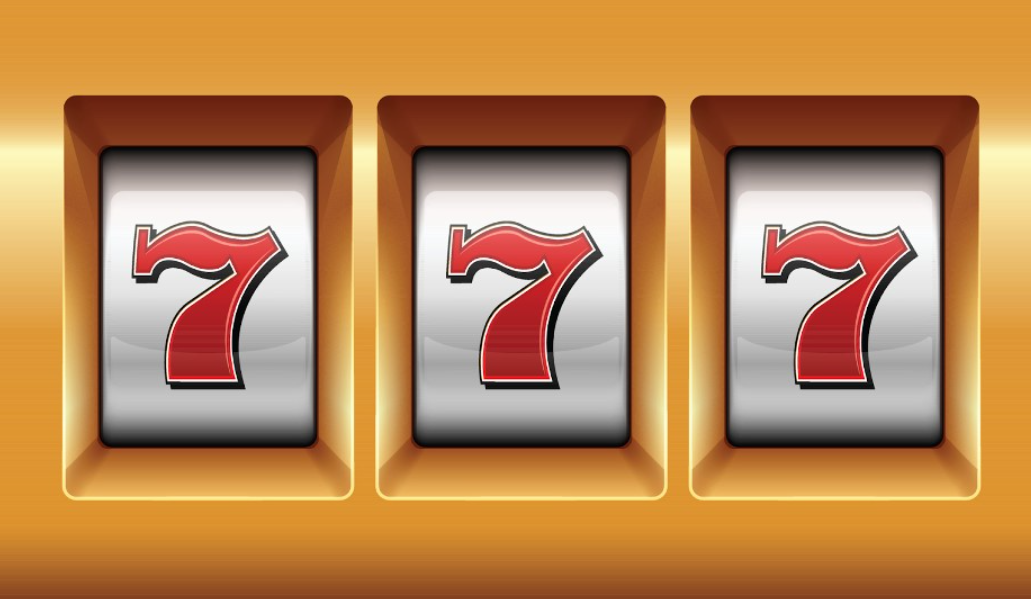
Seven has carried associations with luck across different cultures and traditions for centuries. Games strengthened that connection by repeatedly placing the number beside ideas of winning, chance, and good fortune. As a result, “Lucky Seven” works as more than a number. It can function as a nickname, username, team name, or brand identity.
Symbols behave in similar ways. Kings suggest authority. Queens can suggest status or strength. Jokers carry ideas of humor and unpredictability. A diamond can imply rarity or value.
These meanings make such words attractive as names.
A username such as “Ace” tells other people something before its owner writes a single sentence. Adding a number or symbol can make the identity more distinct while adding another layer of meaning.
Games therefore do more than create rules and entertainment. They act as cultural workshops for symbols. Numbers, cards, objects, and titles gain associations through repeated use. Some eventually become so familiar that people adopt them as names without thinking about the games that helped shape their meaning.
Modern Games Keep Creating New Symbols And Identities
Game Themes Give Familiar Words New Meanings
Digital games continue the same naming process that card games started centuries ago.
Developers build games around familiar images such as aircraft, rockets, treasure, animals, warriors, and mythical figures. Players then repeat these names in discussions, usernames, memes, and online communities.
An aircraft is a good example. Outside gaming, it suggests spribe aviator game. When aviation imagery appears in an online game, those older meanings travel with it. The game does not need to explain why flight feels connected with rising, progress, or rapid change. Culture has already built those associations.
Popular Titles Can Turn Ordinary Words Into Gaming Terms
Sometimes a common word becomes closely associated with a particular digital format.
Aviation-themed titles, for example, can make words such as aviator, pilot, flight, and takeoff recognizable within gaming communities. Players may then borrow the same vocabulary for usernames and nicknames.
This process resembles what happened to “ace.” The word existed long before modern digital games, but repeated use in competitive settings gave it additional meanings.
Symbols Work Because They Carry Meaning Quickly
Online names have limited space. A player cannot explain an entire personality through a username.
Symbols solve that problem.
A wolf can suggest independence. A crown can imply status. An aircraft may suggest speed. Seven can imply luck. Ace can signal skill or success.
These meanings are not fixed, but they provide an immediate cultural reference.
Digital Culture Speeds Up The Naming Cycle
Older gaming symbols often took decades to enter everyday language. Online communities can spread new ones much faster.
A game becomes popular. Its terminology appears in streams and chats. Players turn that language into usernames and memes. People outside the original community then encounter the same terms.
As a result, games keep adding new layers of meaning to familiar names and symbols. The objects themselves may be old, but digital culture constantly finds new ways to use them as markers of identity.
Old Game Symbols Survive Because Their Meanings Keep Expanding
Ace Became A Word For Skill
Few gaming terms show this process better than ace.
The word has a long history, but card games helped give it a strong link with value and winning. Later, its meaning expanded. During the early twentieth century, “ace” became associated with highly successful military pilots. Sports and everyday speech adopted it as a label for exceptional ability.
Today, someone can ace an exam, become an ace pitcher, or describe a skilled colleague as an ace.
The original symbol remains, but its meaning has grown.
Seven Carries Meaning Beyond Mathematics
Seven is simply a number, yet cultures have attached special meaning to it for centuries.
Religion, folklore, calendars, and storytelling all helped make seven memorable. Games later reinforced its association with luck and favorable outcomes.
That history explains why seven appears so often in usernames and nicknames. A name such as “Lucky7” communicates more than a numerical preference. It draws on a cultural meaning that many readers recognize at once.
Kings And Queens Turn Rank Into Identity
Playing cards also transformed royal titles into familiar gaming symbols.
King and Queen already represented status before cards became widespread. Games gave these titles another setting where their rank could be compared directly with other symbols.
Digital culture now uses both words freely as names.
A gaming alias containing “King” may suggest confidence or status. “Queen” can serve a similar role. The user does not need an actual connection with royalty. The symbolic meaning does the work.
Names Preserve Meanings Long After Their Origins Fade
People do not need to know the full history of a symbol to understand it.
Someone choosing “AceSeven” as a username may know little about the linguistic history of either term. The combination still communicates ideas about skill and luck because generations of cultural use have already established those associations.
That is what makes gaming symbols unusually durable. Their meanings can change, expand, and enter new settings while the original words remain easy to recognize.
Games Give Old Symbols New Lives
Numbers and symbols survive when people can reuse them in new settings. Games provide an ideal environment for that process because they connect simple images with clear ideas.
Ace can suggest skill. Seven can suggest luck. A crown can represent status. A joker can imply humor or unpredictability. None of these meanings belongs only to games, but repeated use has made the associations easy to recognize.
Online culture expands them further.
Players need short, memorable usernames for games, forums, streaming platforms, and social networks. A familiar symbol can communicate an idea without requiring an explanation. Someone can combine a word, number, and title to create an identity that feels distinct while still being easy to understand.
The meaning is also flexible.
Two people may use the same number for different reasons. One may choose seven because of its traditional link with luck. Another may use it because it appeared on a sports jersey. A third may simply like how it looks beside a name.
That flexibility helps symbols survive.
Digital games also create new associations around older words. Aircraft, stars, gems, animals, cards, and numbers can gain fresh meanings when they appear repeatedly in popular games and online communities. Some associations disappear with the trend that created them. Others become part of wider internet language.
This process shows why names are rarely just labels. They can carry pieces of history, culture, personal preference, and shared symbolism at the same time.
From Lucky Seven to Ace, gaming culture provides clear examples of how ordinary words and numbers gather meaning. People then carry those meanings into usernames, nicknames, brands, and everyday speech.
The games may change, but the underlying process remains the same: a simple symbol becomes memorable when a community gives it a story.
