




Let me be honest with you. I used to roll my eyes at the whole “emotional intelligence” thing. It sounded like corporate buzzword nonsense — something HR departments slap on posters next to the coffee machine. But then I found myself in situations where I reacted badly, said things I regretted, or walked out of meetings feeling completely drained without knowing why. That’s when I realized EQ isn’t some fluffy concept. It’s the difference between handling life like an adult and constantly tripping over your own emotions.
The good news? You can actually get better at this stuff. And books are a solid place to start. Here are the best ones I’ve come across — no fluff, just honest recommendations.
Why Books Still Matter for Emotional Intelligence
You might think emotional intelligence is something you either have or you don’t — like being tall or having a good singing voice. But that’s not how it works. EQ is more like a muscle. The more you understand how emotions operate, the better you get at spotting them in yourself and others before they spiral out of control. Books are useful here because they slow you down. Instead of scrolling through a 60-second video that tells you to “just breathe,” a good book walks you through real stories, actual research, and practical tools you can test in your own life. The ones below aren’t magic fixes, but they’ll give you a much clearer map of what’s going on inside your head.
Overview:
| Serial No | Book Name | Writers |
| 1 | Emotional Intelligence | Daniel Goleman |
| 2 | Emotional Intelligence 2.0 | Travis Bradberry & Jean Greaves |
| 3 | Permission to Feel | Marc Brackett |
| 4 | Emotional Agility | Susan David |
| 5 | Daring Greatly | Brené Brown |
| 6 | Atlas of the Heart | Brené Brown |
| 7 | Primal Leadership | Daniel Goleman, Richard Boyatzis, Annie McKee |
| 8 | Social Intelligence | Daniel Goleman |
| 9 | The Language of Emotions | Karla McLaren |
| 10 | The EQ Edge | Steven Stein & Howard Book |
1. Emotional Intelligence — Daniel Goleman
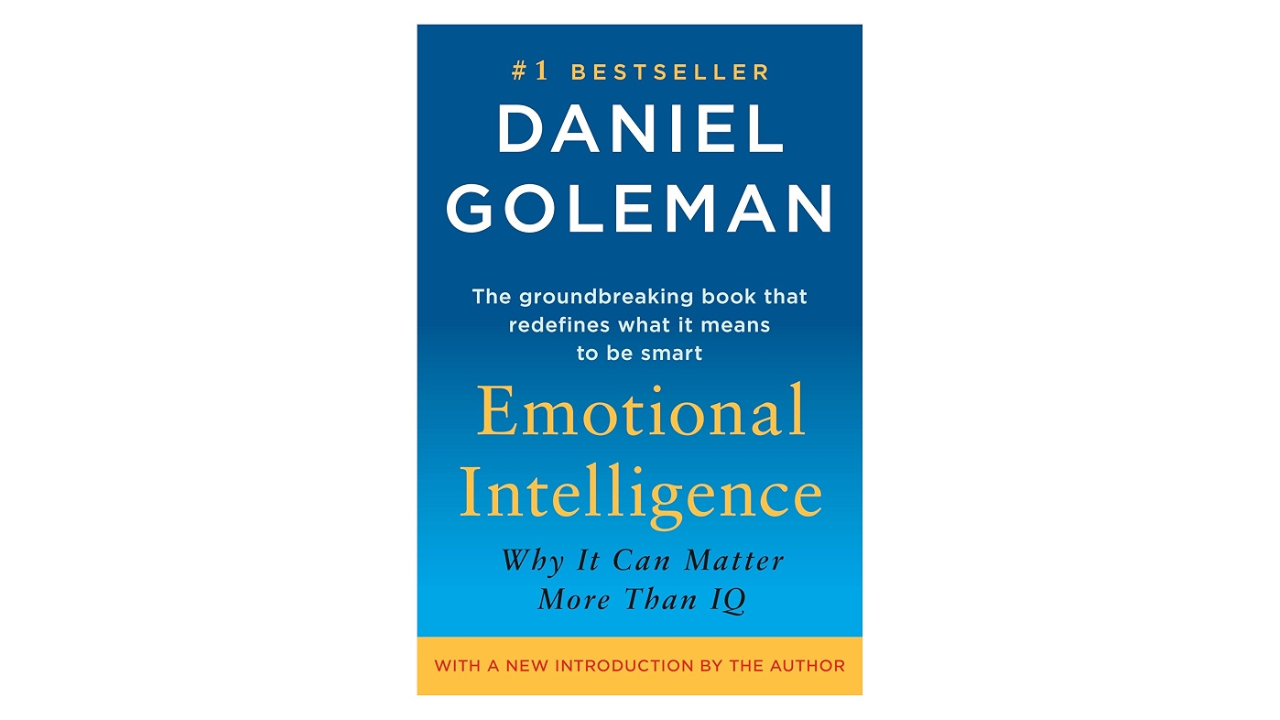
This is where it all began. Goleman didn’t invent the term, but he made it mainstream back in 1995, and honestly, it still holds up. He breaks EQ into five parts: self-awareness, self-regulation, motivation, empathy, and social skills. What I liked was how he connects brain science to real behavior. Why do smart people do dumb things under pressure? Why do some people stay calm while others explode? This book answers those questions. It’s a bit dense in places, but if you want the foundation, start here.
2. Emotional Intelligence 2.0 — Travis Bradberry & Jean Greaves
If Goleman’s book is the textbook, this is the workbook. Bradberry and Greaves give you 66 practical strategies you can actually use, plus a self-assessment test to figure out where you stand. Are you bad at reading the room? Do you lose your temper too fast? The book pinpoints your weak spots and tells you what to do about them. It’s short, direct, and honestly more useful than most self-help books I’ve read.
3. Permission to Feel — Marc Brackett
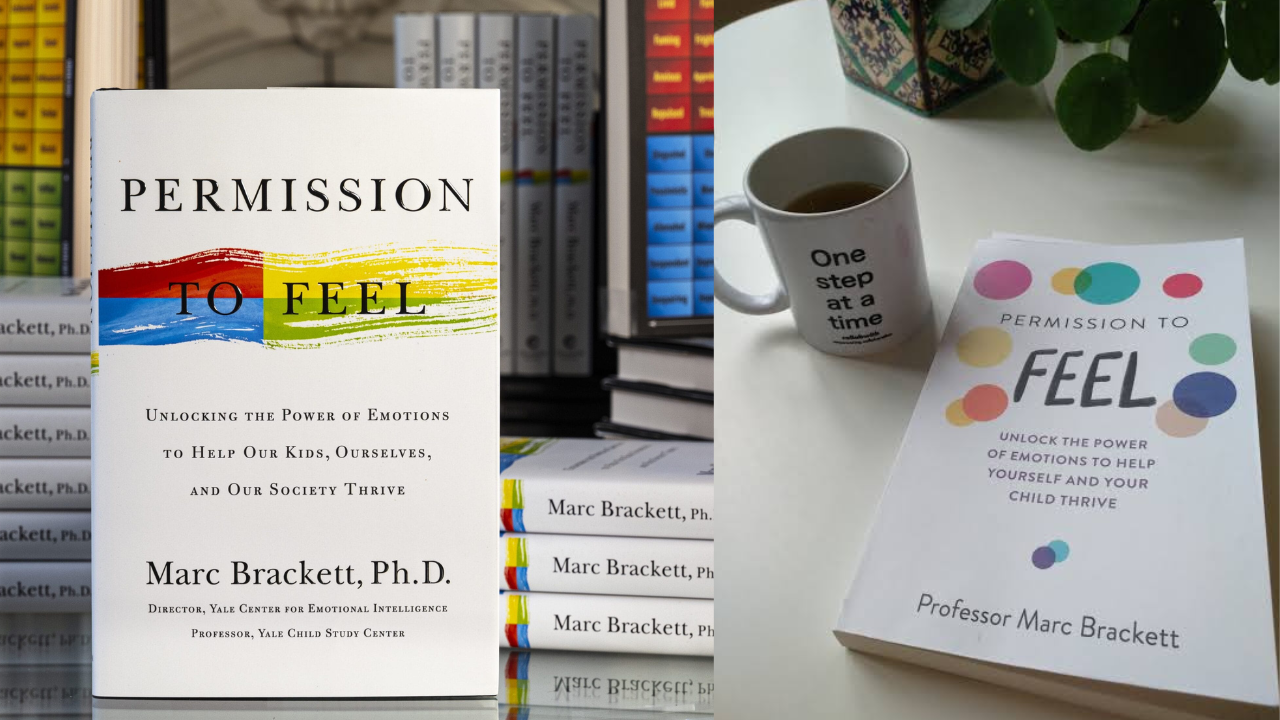
Marc Brackett runs the Yale Center for Emotional Intelligence, so he knows his stuff. His whole argument is simple: we don’t give ourselves permission to feel things, and that suppression is killing us. He created something called the RULER framework — Recognize, Understand, Label, Express, Regulate. Sounds clinical, but the book is surprisingly personal. He talks about his own childhood trauma and how learning to name his emotions changed everything. If you’re someone who bottles things up, this one will hit home.
4. Emotional Agility — Susan David
Susan David is a psychologist at Harvard, and her take is refreshingly different. She says we’re not supposed to “control” our emotions — we’re supposed to be agile with them. Stop fighting your feelings. Stop pretending you’re fine when you’re not. Instead, face them with curiosity. The book is full of stories about people who got stuck because they kept suppressing grief, anger, or fear. It’s practical without being preachy, and it helped me understand that being “positive” all the time is actually exhausting and counterproductive.
5. Daring Greatly — Brené Brown
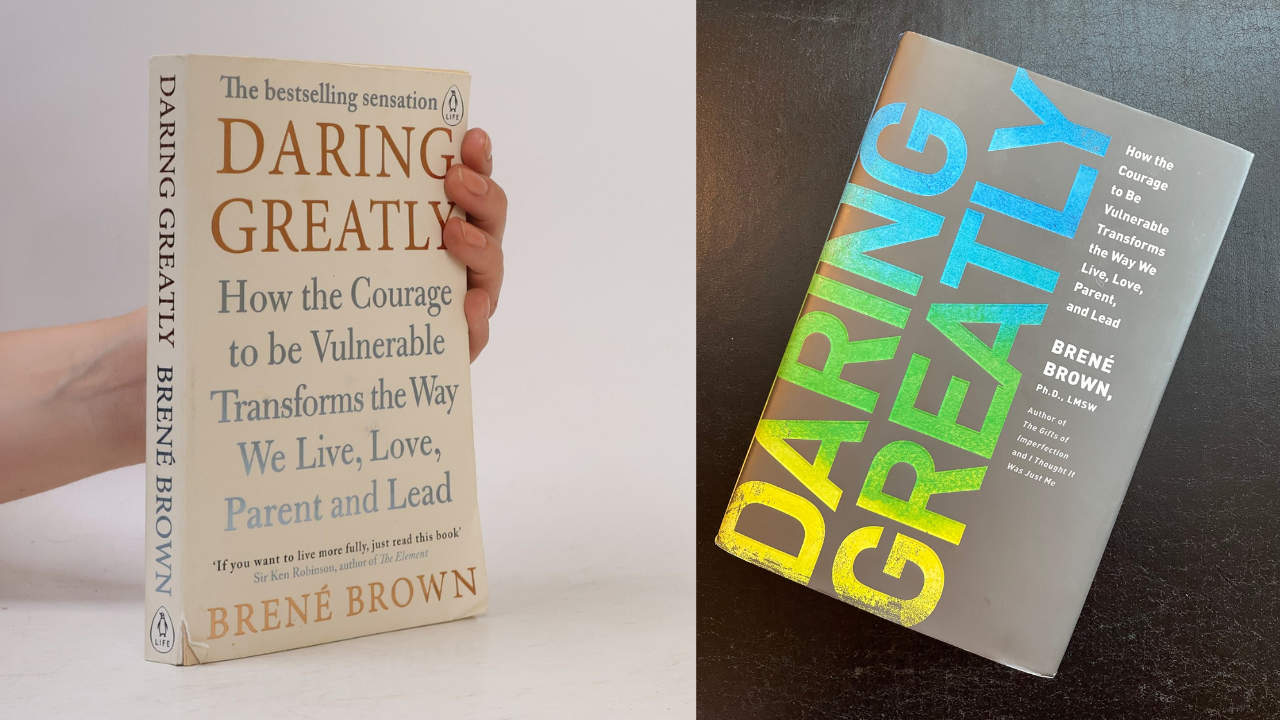
Brené Brown needs no introduction at this point. This book is about vulnerability, and here’s the thing — vulnerability is at the core of emotional intelligence. You can’t connect with people if you’re always armored up. Brown spent years researching shame and courage, and she makes a solid case that being open about your struggles isn’t weakness; it’s the bravest thing you can do. The writing feels like a conversation with a really wise friend. If leadership or relationships are areas where you struggle, start here.
Read Also: Best Sunscreen for Men in 2026: Top Picks for Every Skin Type
6. Atlas of the Heart — Brené Brown
This one is like an emotional dictionary. Brown maps out over 80 human emotions and experiences, helping you tell the difference between things like envy and jealousy, or stress and overwhelm. Sounds basic, but most of us are terrible at naming what we actually feel. We say “I’m angry” when we’re actually hurt. We say “I’m fine” when we’re numb. This book gives you the language to be precise about your inner world, and that precision matters. You can’t fix what you can’t name.
7. Primal Leadership — Daniel Goleman, Richard Boyatzis, Annie McKee
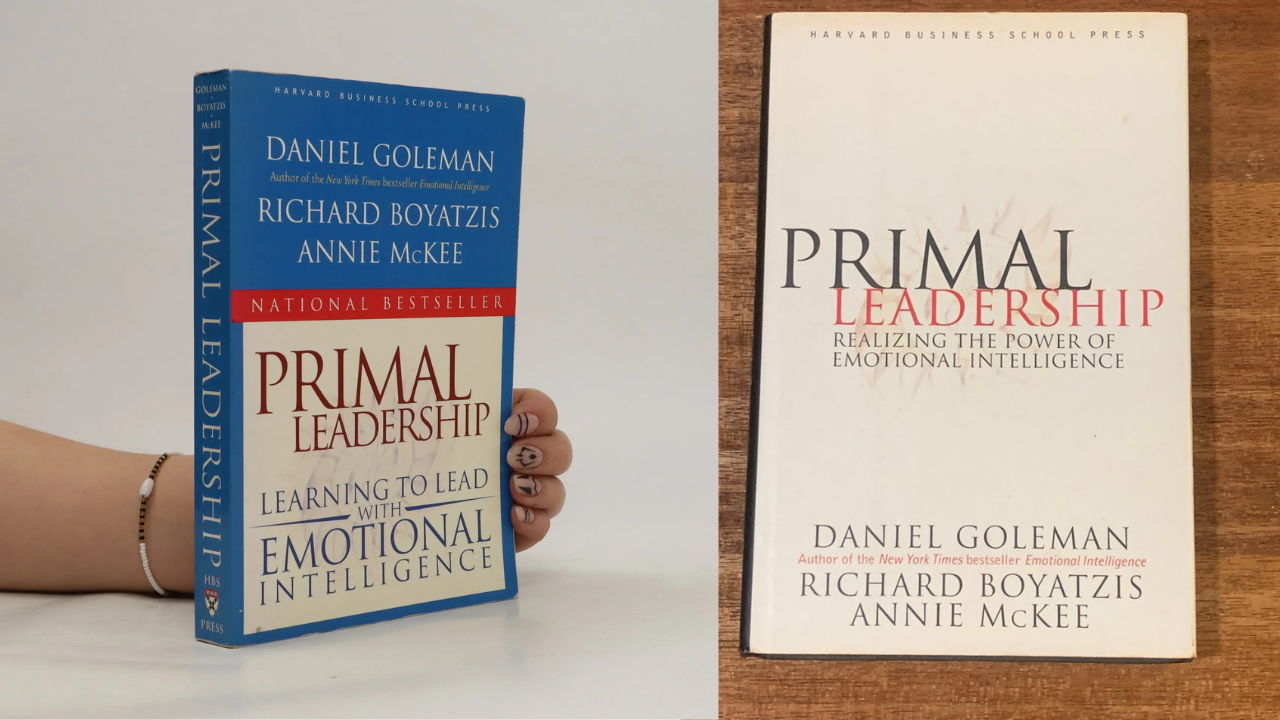
This one’s for people in leadership roles, or anyone who manages a team. The central idea? Your mood as a leader is contagious. If you’re stressed and snapping at people, the whole team feels it. The book breaks down six leadership styles and explains which ones work in which situations. It’s research-heavy but readable, and if you’ve ever wondered why some bosses inspire loyalty while others make everyone miserable, this explains it.
8. Social Intelligence — Daniel Goleman
Goleman’s follow-up to Emotional Intelligence goes deeper into how we connect with other people. He talks about mirror neurons, empathy loops, and why some conversations leave you energized while others drain you. It’s fascinating stuff about the biology of human connection. If your goal is to get better at relationships — romantic, professional, or friendships — this adds the social layer that the first book only touched on.
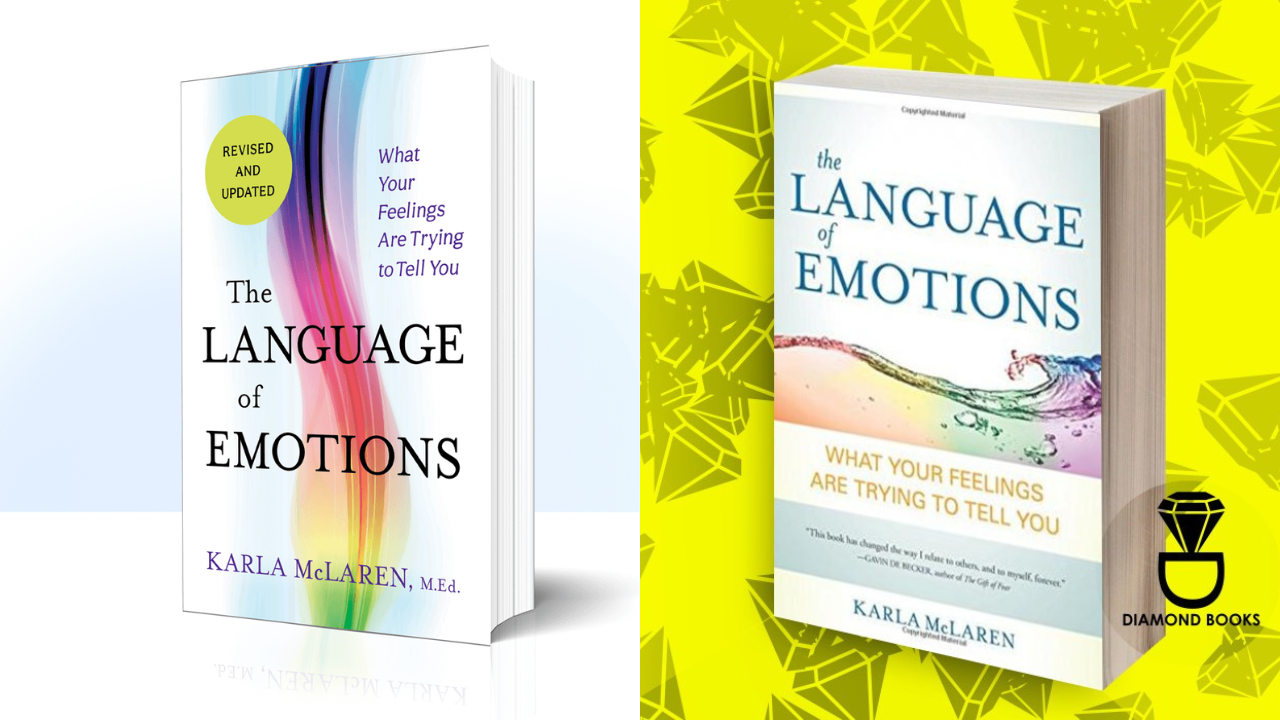
9. The Language of Emotions — Karla McLaren
This is the most underrated book on this list. McLaren argues that every emotion — even the ugly ones like anger and fear — is trying to tell you something valuable. Anger means a boundary was crossed. Fear means you need to pay attention. Sadness means something needs to be released. Instead of fighting your feelings, she teaches you to listen to them. It’s a different angle from the others, and honestly, it changed how I relate to my own emotional life.
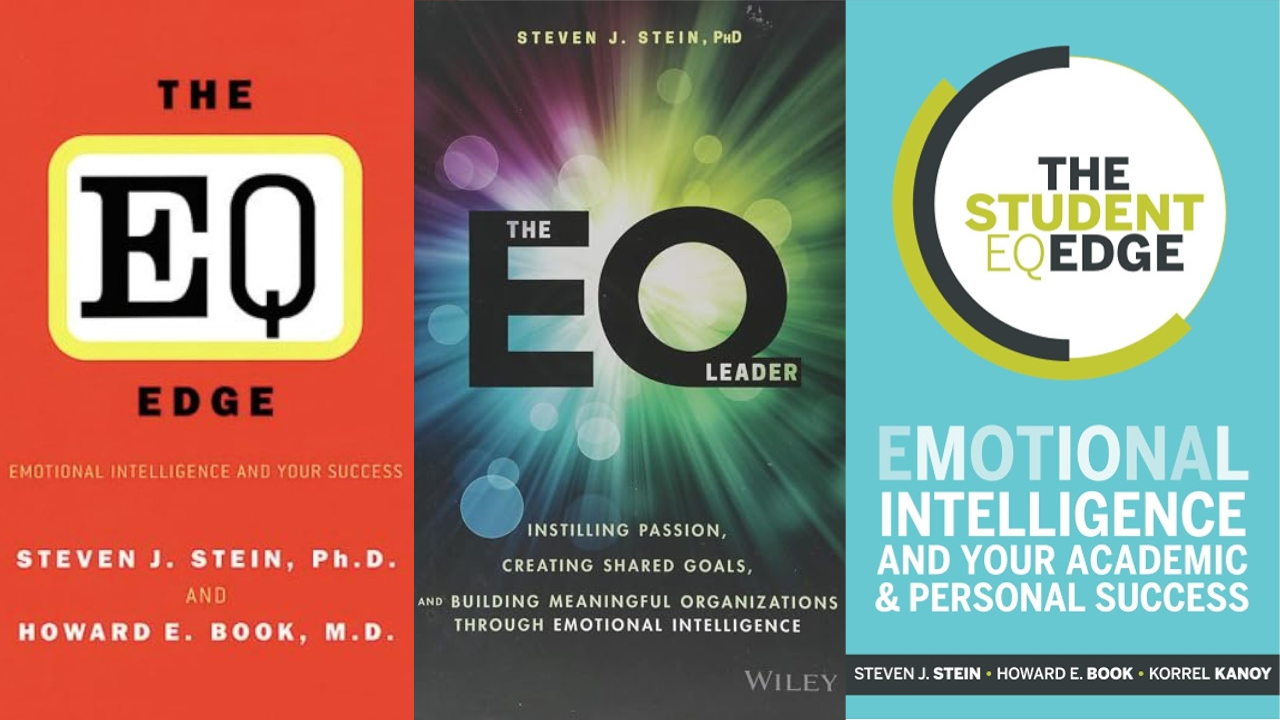
10. The EQ Edge — Steven Stein & Howard Book
If you want something that bridges personal life and career, this is it. Stein and Book show how EQ impacts everything from job performance to relationships to mental health. It’s packed with real-world examples and self-assessment tools. Not the most exciting read on the list, but probably the most comprehensive if you want to understand EQ from every angle.
Final Word
If you’re completely new to this, grab Emotional Intelligence 2.0 first. It’s practical, quick, and gives you a roadmap. If you want the deeper theory behind it, go with Goleman’s original Emotional Intelligence. If you’re in a leadership position, Primal Leadership or Dare to Lead will serve you better. And if you feel like you don’t even understand what you’re feeling half the time, Atlas of the Heart or Permission to Feel will help you sort that out.
Here’s the truth no book will tell you on page one: reading about emotional intelligence is easy. Actually catching yourself before you snap at someone, or admitting when you’re wrong, or sitting with discomfort instead of distracting yourself — that’s the hard part. The books give you the map. Walking the path is up to you.
Pick one. Read it slowly. Underline the parts that make you uncomfortable — those are usually the parts you need the most.
Read More: 130 Pounds to Kilos: The Simple Breakdown
